Cybersecurity Risk Management: What Actually Works
Cybersecurity risk management works when risk ties to budget, ownership, and a framework like NIST CSF 2.0 or ISO 27005. Here is what delivers—and what is just risk theater.
Cybersecurity Risk Management: What Actually Works When the Budget Is Real
Most cybersecurity risk programs I've reviewed share the same flaw. They produce beautiful heat maps that nobody uses to make a single decision.
A risk register with 400 entries, each scored on a 5x5 matrix, color-coded, presented quarterly to a steering committee that has no authority to do anything about them. The program exists. It produces deliverables. It does not reduce risk.
This piece is about the gap between those two things.
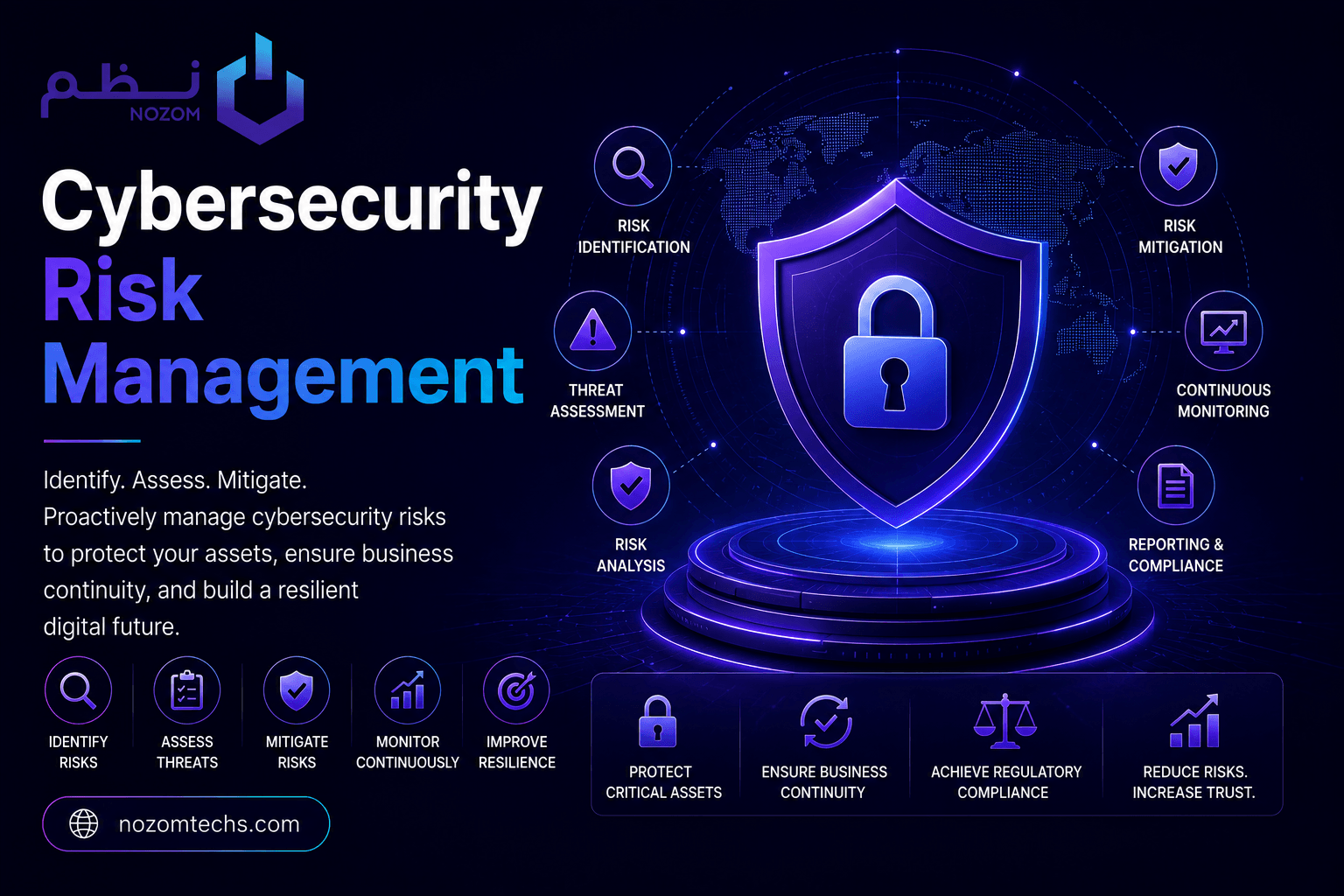
Quick Answer: Cybersecurity risk management is the process of identifying, analyzing, treating, and monitoring threats to information assets in a way that aligns with business priorities and risk appetite. Effective programs anchor to a recognized framework like NIST CSF 2.0 or ISO/IEC 27005, assign clear ownership, and tie risk decisions to budget. The math is easy. The accountability is the hard part.
What cybersecurity risk management actually is
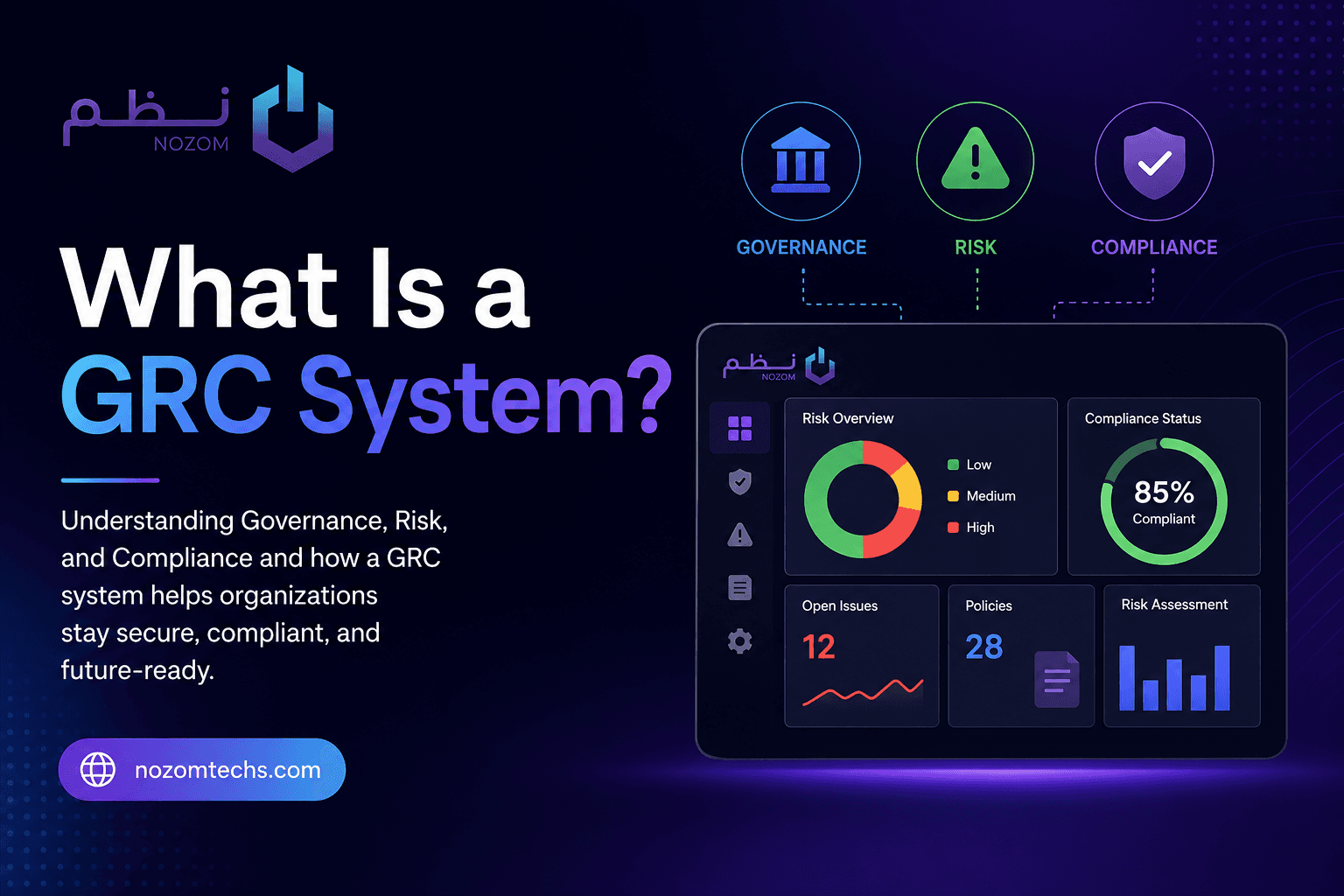
Cybersecurity risk management is a structured discipline for deciding which threats your organization will defend against, which it will accept, and which it will transfer or avoid. The structure matters because the alternative is gut feel, and gut feel doesn't survive a board challenge or an auditor's question. In practice it lives inside a broader governance, risk, and compliance function rather than off to one side.
The NIST Cybersecurity Framework 2.0 (2024) added Govern as a sixth function alongside Identify, Protect, Detect, Respond, and Recover. That addition formalized what mature practitioners already knew. Risk management without governance is just paperwork — a point we unpack further in this look at cybersecurity governance, risk, and compliance.
ISO/IEC 27005 (2022 revision) provides the deeper methodology for the risk process itself: context establishment, risk identification, analysis, evaluation, treatment, and ongoing monitoring. Both frameworks fit together. NIST CSF tells you what to manage. ISO/IEC 27005 tells you how. Aligning to recognized NIST standards and ISO standards gives both halves a defensible backbone.
Why this matters more than it did three years ago
The cost of getting it wrong has documented teeth
IBM's Cost of a Data Breach Report 2024 found the global average breach cost reached USD 4.88 million, with significant variance by sector and region. The number itself matters less than what's behind it: regulatory penalties, business interruption, customer churn, and recovery spend that lasts years. A cybersecurity risk management program that can't quantify these in terms the CFO recognizes isn't doing its job — and that's where strong cyber resilience planning pays off.
Boards are being held personally accountable
The U.S. SEC's cybersecurity disclosure rules (effective 2023) require material incident reporting within four business days and annual disclosure of risk management processes. Saudi Arabia's NCA controls expect board-level oversight of cyber risk. Across jurisdictions, the trend is consistent. Cybersecurity stopped being something the CISO owned alone. It became something directors are answerable for, and that changes the calibre of risk reporting required.
The risk management process, in practice
The framework versions are clean. Real programs are messier. What actually works:
Context first. Before any risk identification, define what you're protecting and why. The business processes, the critical data flows, the regulatory obligations, the risk appetite. This is also where a clear cybersecurity strategy sets the boundaries. Skip this and every subsequent decision lacks a basis.
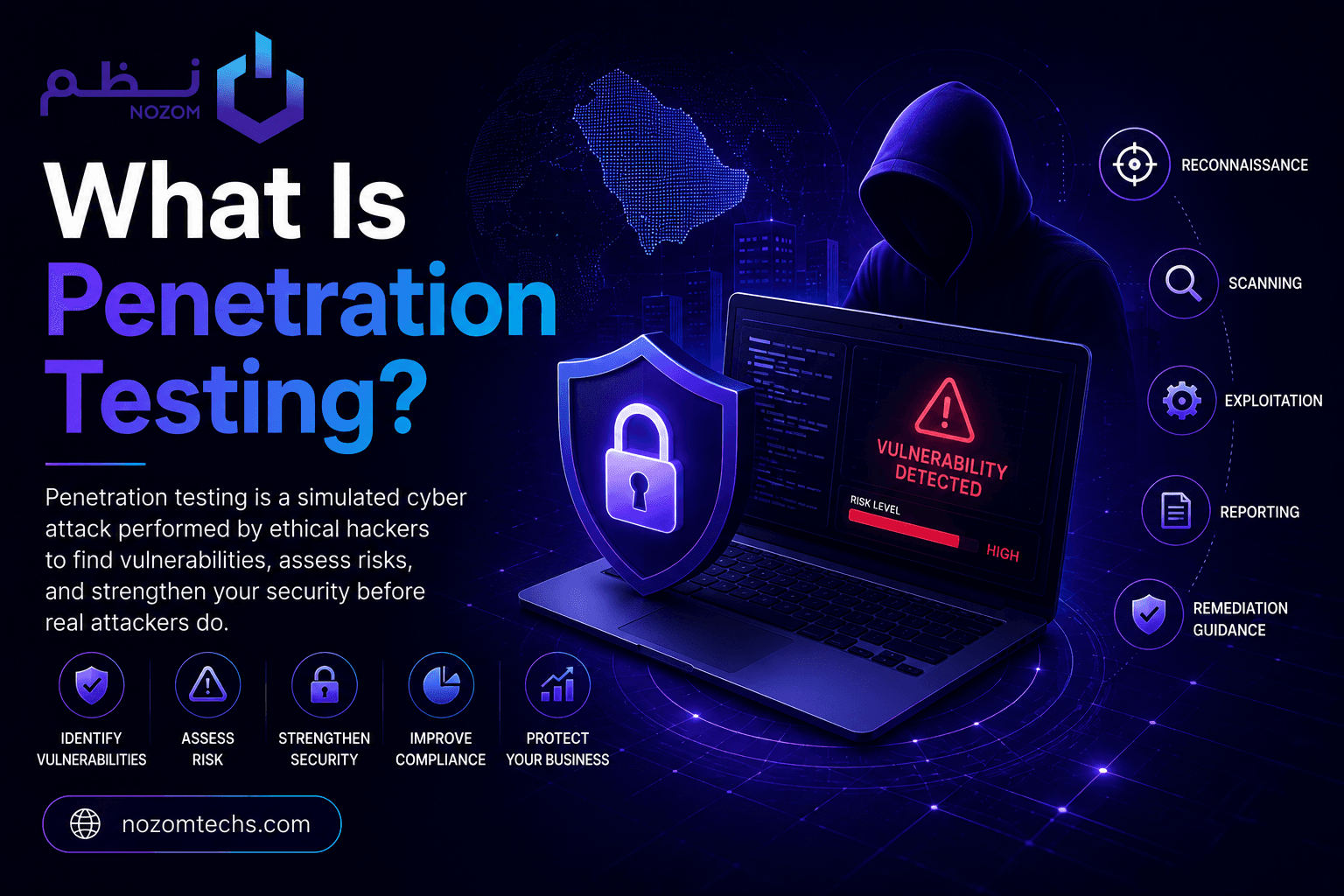
Identification through multiple lenses. Threat modeling for new systems. Threat intelligence for current adversaries. Vulnerability data from scanning and pen testing. Audit findings. Incident history. A risk register built from only one source has blind spots that surface during incidents.
Analysis that distinguishes inherent from residual risk. Inherent risk is what exists before controls. Residual is what remains after. The difference is what your controls are buying you. Programs that don't separate these two cannot defend their control spending.
Treatment decisions with named owners. Every accepted risk needs an accepting executive. Every mitigated risk needs an implementation owner. Every transferred risk needs documented terms (insurance policy, contract clause). Unowned risk treatment isn't treatment.
Monitoring that triggers action. Key risk indicators that move thresholds without producing a defined response are dashboard decoration. The point of monitoring is to change behavior when conditions change — which is exactly what a well-run security operations center delivers.
Best practices for cybersecurity risk management
Anchor everything to a recognized framework, then customize. NIST CSF 2.0 (2024) or ISO/IEC 27001:2022 with 27005 provide the scaffolding. Frameworks aren't restrictive; they're translation layers between technical risk and executive language. Without one, every conversation starts from scratch — and the broader cybersecurity program loses coherence.
Quantify where you can, qualify where you must. Pure qualitative scoring (high/medium/low) loses information. The Factor Analysis of Information Risk (FAIR) methodology offers a quantitative model that produces loss exceedance curves comparable to other enterprise risks. Use it on top-tier risks; qualitative scoring is fine for the long tail.
Tie risk treatment to budget cycles, not crisis events. Risks identified outside the budget process compete with whatever is currently on fire, and they lose. Build the annual security investment plan from the prioritized risk register, defended in the same forum where other capital spending is debated. A clear cybersecurity strategy roadmap makes that case easier to win.
Run tabletop exercises against your top five risks annually. Document the exercise. Identify gaps. Update the risk register with what you learned. The CIS Controls v8 (Center for Internet Security, 2021) make this kind of testing a baseline expectation, and few organizations do it well. Pair it with tested business continuity management so the response isn't theoretical.
Report risk in the language of the audience. Boards need likelihood and impact in financial terms. Operational managers need specific controls and timelines. The same risk produces different reports for different consumers. One generic format that satisfies neither is the most common reporting failure.
Where risk programs break down
The most frequent failure is risk theater. A program that produces extensive documentation, regular committee meetings, and color-coded reporting, but never actually changes a budget allocation or kills a project. The root cause is that risk management was set up as a parallel function to business decision-making rather than embedded inside it. The fix is structural, not procedural.
A second failure pattern is the static register. Risks identified once, scored once, then maintained as a record-keeping exercise. Threats evolve. Business context evolves. Control effectiveness degrades. A register that doesn't change over twelve months isn't a living risk picture, it's a relic — and it quietly undermines cyber resilience and business continuity.
The third pattern, harder to fix, is the ownership vacuum. Risks accepted by "the IT department" or "senior management" without a named individual. When the risk materializes, accountability evaporates. Every accepted risk needs a single signature, and that signature carries weight only when leadership is willing to enforce it.
What's changing in the next 18 to 36 months
Continuous control monitoring is moving from premium feature to baseline expectation. Gartner has tracked the convergence of risk, audit, and compliance tooling for several years, and the direction is steady. Expect platforms to pull live evidence from cloud configurations, identity systems, and security tooling rather than relying on quarterly attestations.
AI-driven risk analytics is emerging. The promise is correlating signals across threat intelligence, vulnerability data, and business context to surface emerging risks faster. The reality, today, is mixed. The strongest implementations augment human analysts. The weakest produce confident scores derived from incomplete data, which is worse than no score.
A note on disagreement among forecasters. Some research firms project rapid maturation of AI in GRC; others are more cautious about the underlying data quality required to make it work. Treating any single projection as consensus is unwise. Build for the direction, not the specific timeline.
Bottom line
Effective cybersecurity risk management isn't a documentation exercise, and the test is simple. Pick the top three risks on your register. Trace each one to a specific budget line, a specific control, and a specific person whose objectives include reducing that risk this year. If any of those three links is missing, the risk is documented but not managed. That's the gap to close before your next board cycle.
FAQ
Should we use NIST CSF or ISO/IEC 27001?
They're complementary rather than competing. NIST CSF 2.0 (2024) is a flexible framework for organizing your security program around outcomes. ISO/IEC 27001:2022 is a certifiable management system standard. Many organizations use CSF for internal program structure and pursue ISO 27001 certification when customers or regulators require it. The two map to each other reasonably well.
How do we quantify cyber risk for the board?
Start with annualized loss expectancy for your top risks: probability of occurrence multiplied by likely impact, expressed in financial terms. The FAIR methodology formalizes this with loss exceedance curves. Whatever method you choose, consistency matters more than precision. The same risk reported differently each quarter erodes board confidence faster than imperfect numbers.
What's the relationship between risk management and compliance?
Compliance is meeting external obligations; risk management is deciding which threats to address based on business impact. The two overlap heavily but aren't identical. A control may be required for compliance but address minor risk, or address major risk but not appear in any regulation. Mature programs maintain both lenses without conflating them.
How often should the risk register be reviewed?
Top-tier risks need monthly attention at minimum, often weekly in active threat conditions. The full register benefits from quarterly review at the operational level and at least annual review at the executive level. Triggering events — major incidents, significant business changes, new regulations — should force ad-hoc updates rather than waiting for the next scheduled cycle.